Featured
Excitement About Understanding Your How to Recover Financ...
The Only Guide to Economic Uncertainty That Affect How Mo...
The 45-Second Trick For What to Watch For While Researchi...

Value to Invest in Professional Bankruptcy Guidance Thing...

How Emerging Laws Impacting Debt Relief Options can Save You Time, Stress, and Money.
Table of Contents
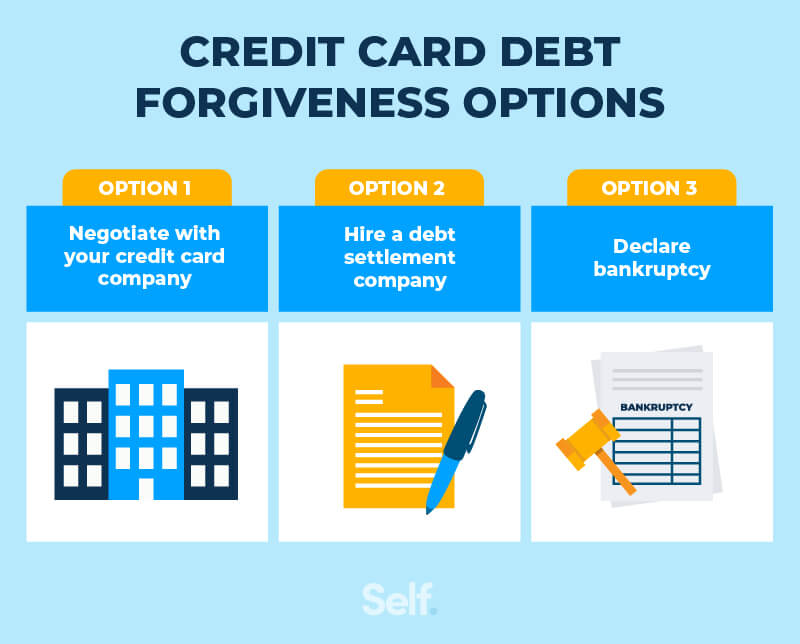
That releases up money in the brief term, and you may have three to 4 years to conserve toward the settlement quantity. Extremely dangerous to credit rating, mainly due to missed payments and an adverse "settled" mark that can remain on your debt report for up to 7 yearsMay be only alternative if various other choices (debt consolidation, equilibrium transfer charge card, financial debt forgiveness) aren't possibleTypically calls for a fee to the third event, which might offset some or all of the cost savings from financial obligation settlementMay assist you avoid bankruptcy if you have actually missed several paymentsNot all financial institutions collaborate with debt settlement companies Financial debt mercy might be right for you if you are experiencing an economic difficulty that makes it nearly impossible to pay down your financial obligation balances.
With a DMP, you make one month-to-month payment to the credit rating therapy firm. Those funds are after that distributed to creditors of your unsecured financial obligations, such as charge card and installment finances. The company deals with your lenders to minimize rates of interest or forgo fees, but some creditors may refuse such giving ins.
It can assist you pay down debt if you're able to safeguard a funding rate that's lower than the typical rate of the accounts you're settling. You have to refrain from racking up financial obligation on those recently gotten rid of accounts or your financial obligation might grow even higher.

That gives you plenty of time to eliminate or significantly lower your equilibrium while making interest-free settlements.
National Initiatives for Debt Relief Things To Know Before You Buy
You may need it if your financial institution or a debt collector ever tries to gather on the debt in the future. The letter could prove you do not owe what the debt collector's documents reveal. Yes, most of the times, the internal revenue service thinks about forgiven financial obligation as taxable revenue. When a lender forgives $600 or more, they are required to send you Type 1099-C.
Debt mercy or negotiation often injures your credit scores. Anytime you resolve a financial obligation for much less than you owe, it may look like "settled" on your credit rating report and influence your credit history for seven years from the day of negotiation. Your credit history can likewise drop substantially in the months leading to the forgiveness if you fall back on settlements.
All about What to Understand Throughout the Debt Forgiveness Process
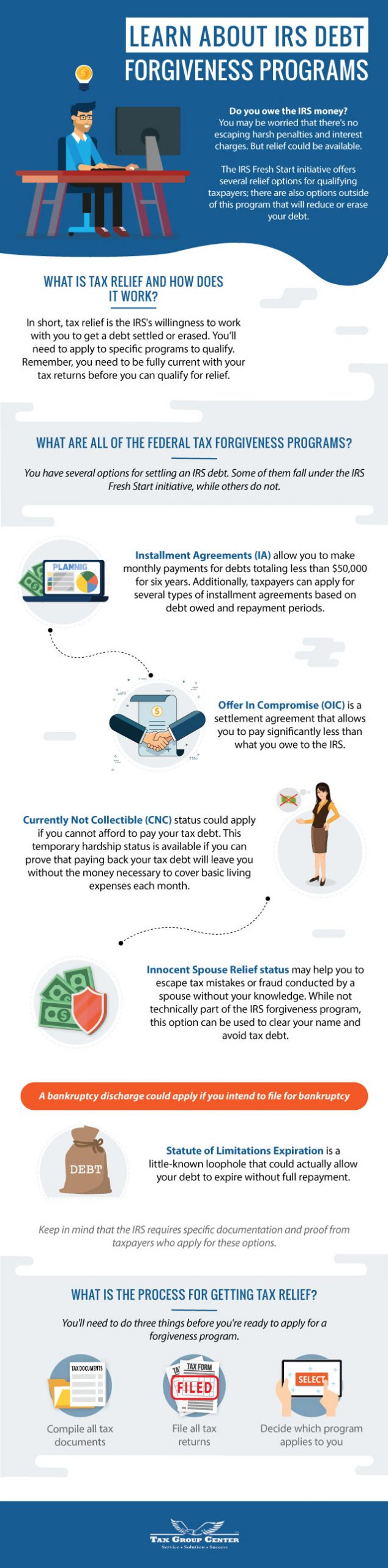
This situation commonly results from underreporting earnings, not filing returns on time, or disparities located during an IRS audit. The effects of collecting tax obligation debt are serious and can consist of tax liens, which provide the IRS a lawful case to your residential or commercial property as protection for the financial obligation.
Salaries and Bank Accounts IRS can levy (seize) wages and financial institution accounts to satisfy the financial debt. Residential or commercial property Seizure In extreme cases, the Internal revenue service can take and offer residential property to cover the debt.
Anxiety, anxiety, and various other mental health and wellness concerns. Social Stigma Encountering lawsuit from the IRS can bring social preconception. Damages to track record and relationships. Work Opportunities An inadequate credit history due to strain financial obligation can limit job opportunity. Trouble searching for or maintaining a job. Government Advantages Tax financial debt might affect eligibility for government advantages, such as Social Safety and Medicaid.
The 10-Second Trick For Creating Post-Debt Budget for Permanent Stability
The OIC thinks about numerous variables, consisting of the taxpayer's revenue, expenditures, asset equity, and capability to pay. Effectively negotiating an OIC can be complex, needing a detailed understanding of the IRS's guidelines and a strong argument for why your deal straightens with your capacity to pay. It is necessary to note that not all applications are approved, and the process needs comprehensive monetary disclosure.
The IRS examines your total financial situation, including your revenue, expenses, property equity, and capacity to pay. You must also be current with all filing and repayment requirements and not be in an open bankruptcy proceeding. The IRS additionally considers your compliance background, assessing whether you have a document of timely filing and paying taxes in previous years.
Some Known Details About Types of Debt Forgiveness Offered Now
The application procedure for an Offer in Concession involves numerous detailed steps. You have to complete and send IRS Kind 656, the Offer in Compromise application, and Form 433-A (OIC), a collection information statement for people. These forms call for extensive monetary information, including information concerning your revenue, debts, expenses, and assets.
Back taxes, which are unsettled tax obligations from previous years, can dramatically increase your total IRS financial debt if not resolved promptly. This financial obligation can build up passion and late repayment fines, making the initial quantity owed a lot bigger over time. Failing to pay back taxes can result in the internal revenue service taking enforcement actions, such as releasing a tax lien or levy versus your residential property.
It is very important to address back tax obligations asap, either by paying the complete quantity owed or by preparing a layaway plan with the internal revenue service. By taking positive steps, you can stay clear of the accumulation of added passion and fines, and avoid extra hostile collection actions by the IRS.
One usual reason is the idea that the taxpayer can pay the total either as a round figure or with a layaway plan. The IRS additionally takes into consideration the taxpayer's revenue, expenditures, possession equity, and future earning capacity. If these factors show that the taxpayer can manage to pay greater than the offered amount, the IRS is most likely to deny the offer.
See This Report on Why Professional Guidance Matters
It is critical to provide precise and full information in your application and to talk to a tax expert to improve the chances of acceptance. Managing IRS debt can be complicated and overwhelming. Tax experts, such as CPAs, tax lawyers, or registered agents, can provide important aid. They have the experience to browse the intricacies of tax legislation and IRS procedures.

Table of Contents
Latest Posts
Excitement About Understanding Your How to Recover Financially After Job Loss Options Before You Decide

The Only Guide to Economic Uncertainty That Affect How More People Need for Debt Forgiveness
The 45-Second Trick For What to Watch For While Researching a Bankruptcy Provider
More
Latest Posts
Excitement About Understanding Your How to Recover Financially After Job Loss Options Before You Decide
The Only Guide to Economic Uncertainty That Affect How More People Need for Debt Forgiveness
The 45-Second Trick For What to Watch For While Researching a Bankruptcy Provider